What’s Your Sensory Style
Seeker, Avoider, or Both?
When we leave our homes we are bombarded with lights, sounds, textures, and smells that we can’t control. For neurodivergent adults, your brain processes this information with a unique intensity. That means you're constantly negotiating with your environment to find that sweet spot: sensory regulation.
But how do you negotiate? Do you move toward the noise or away from it? Do you seek deep pressure or avoid light touch?
As a Neurodivergent Affirming therapist, I believe understanding your Sensory Style is the key to managing overwhelm and maximizing focus. So, what's yours?
Let's Decipher Your Sensory Style
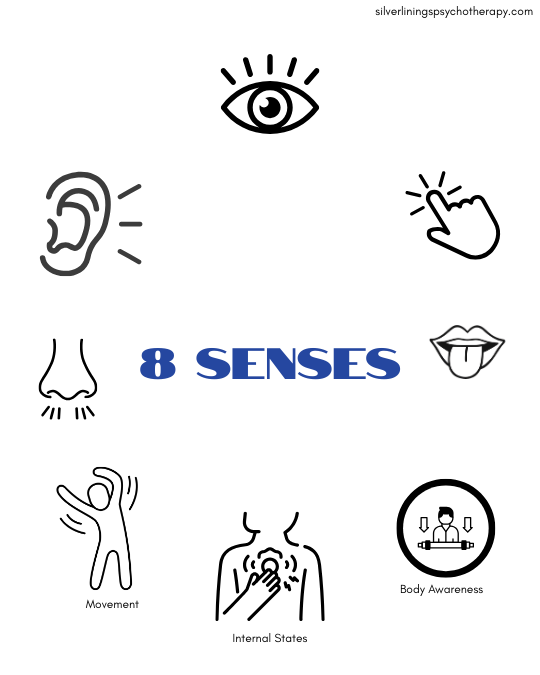
Your sensory style is simply your brain's preferred way of interacting with the eight senses (including our body's internal senses!). Most people aren't just one style; we often have a mix of Seeking and Avoiding behaviors across different sensory categories.
Style 1: The Sensory Avoider
If you are a Sensory Avoider, you have a low neurological threshold for sensory input. Your brain quickly becomes overwhelmed and signals you to reduce or escape the stimulation. Think of your brain as a radio that's highly sensitive to static.
What it might look like (this varies from person to person):
Auditory (Sound) Uses noise-canceling headphones frequently. Hates open-plan offices, loud restaurants, or sudden, unexpected noises (sirens, barking dogs)
Tactile (Touch) Extreme aversion to tags on clothing, specific fabrics (like wool), or light, unexpected touch (a tap on the shoulder)
Visual (Sight) Prefers dim lighting or darkness. Wears sunglasses indoors. Becomes irritable in cluttered, brightly colored, or fluorescent environments
Olfactory (Smell) Strong distress from perfumes, air fresheners, or certain food odors. Will actively avoid stores or public transport due to smells.
Affirming Take: Your brain is highly efficient and easily overloaded. Your avoiding behaviors are essential self-protective strategies, not signs of anxiety or being picky.
Style 2: The Sensory Seeker
If you are a Sensory Seeker, you have a high neurological threshold for sensory input, meaning your brain needs more intense, sustained, or frequent input to register and feel grounded. Your brain needs a strong signal to focus.
What it might look like:
Proprioceptive (Deep Pressure) Craves weighted blankets, tight hugs, or resistance. Enjoys deep massages, heavy labor, or may grind teeth and chew on objects
Vestibular (Movement) Finds it calming or necessary to rock, pace, or fidget. Loves fast, intense movements like rollercoasters or spinning
Tactile (Touch) Constantly needs to touch or hold objects. Enjoys rough, strong textures. May wear clothes that are very tight or very loose to feel the constant input
Auditory (Sound) Needs loud music or background noise to concentrate. May make repetitive vocal sounds (stimming) to feel regulated.
Affirming Take: Your brain is looking for an anchor. Your seeking behaviors are powerful and often brilliant ways to center attention and calm internal restlessness.
Style 3: Both! The Complex Negotiator
This is the most common style! You might be an Auditory Avoider (need absolute quiet to work) but a Proprioceptive Seeker (need a weighted blanket to feel calm).
This is why understanding your unique profile is so important—it’s not a single personality trait; it’s a dynamic system reacting to a specific environment.
Questions to Decipher Your Own Style
To start identifying your unique Sensory Style, ask yourself these targeted questions for each sense. Be honest—there are no wrong answers!
Sound & Sight Questions:
In a restaurant, do you choose a corner table facing the wall, or do you prefer to be in the middle of the activity? (Avoider vs. Seeker)
Do you listen to music at a high volume, or does music often need to be off when you are trying to think? (Seeker vs. Avoider)
When stressed, do you seek out a dark, quiet room, or do you put on a bright video/movie for distraction?
Touch & Pressure Questions:
Do you wear the same few articles of clothing because you know they don't itch/scratch, or do you enjoy trying new fabrics and strong textures? (Avoider vs. Seeker)
When anxious, do you want a tight, firm hug or deep pressure on your back, or do you prefer people to not touch you at all?
Do you use a weighted blanket? (Often a strong Proprioceptive Seeker cue!)
Movement & Body Awareness Questions:
Do you find yourself rocking, pacing, or needing to fidget with something in your hands during meetings or while talking on the phone? (Seeker)
Do you get motion sick easily and avoid things like elevators or Ferris wheels? (Avoider)
Understanding your style is the first step toward self-advocacy. When you know what input your brain needs (or needs less of), you can intentionally design an environment that supports your focus and well-being.
Ready to map out your unique sensory profile and build a life that honors your sensory needs? Contact me today to schedule an affirming therapy consultation.